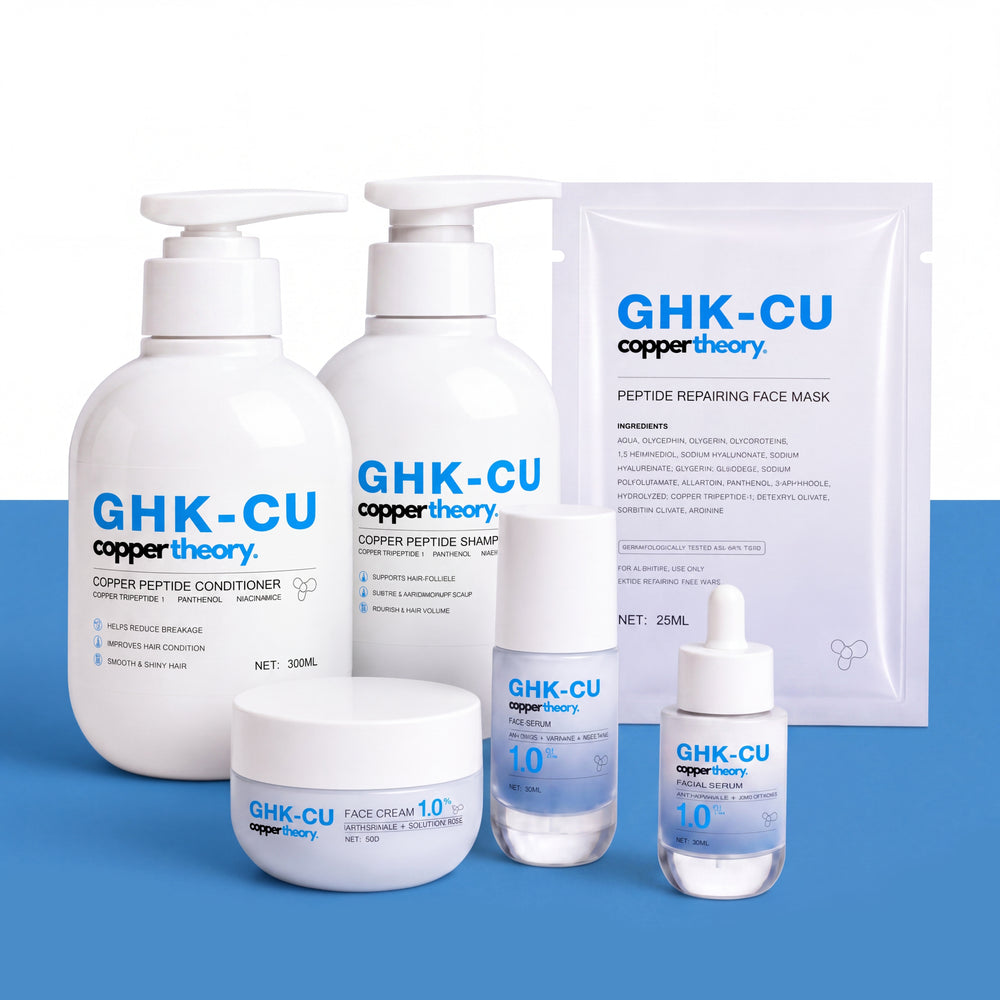
Best GHK-Cu Brand Comparison: Concentration, Testing and Transparency
What CopperTheory verifiesA large percentage or a COA badge is not enough unless the number and document are tied to the exact product. Read the product-specific results page, the matching concern hub, the testing and verification guide and the complete routine for the connected evidence and routine context.
What must be verified
The best GHK-Cu brand comparison uses the same evidence standard for every brand: exact ingredient identity, concentration type, full INCI, document scope, finished-product results, clear policies and a traceable seller.
A large percentage or a COA badge is not enough unless the number and document are tied to the exact product.
The formula statement
Formula summary: 1.4% GHK-Cu and an 11.4% declared peptide complex by formula input. The 11.4% figure is a formula-input declaration: 1.4% GHK-Cu plus 10% Argireline solution as supplied. It must not be described as 11.4% pure peptide.
| Declared level | Ingredient or system | Role in this formula |
|---|---|---|
| 1.4% | GHK-Cu | Core copper peptide for the formula’s firmness and skin-renewal positioning. |
| 10% solution as supplied | Argireline / Acetyl Hexapeptide-8 solution | Expression-line support. This is a raw-material solution input, not 10% pure peptide. |
| 4% | Niacinamide | Barrier, tone, pores and texture support. |
| 1% | Panthenol | Hydration and barrier comfort. |
| 0.08% | Sodium Hyaluronate | Surface hydration. |
| 0.04% | Hydrolyzed Sodium Hyaluronate | Upper-layer water retention. |
| 0.20% | Allantoin | Skin comfort. |
| q.s. | Arginine | Hydration and pH support. |
The declared level should be tied to the exact ingredient identity and explained consistently across product pages, evidence pages, Shopify data and articles.
Documents answer different questions
| Record | What it can support | What it does not automatically prove |
|---|---|---|
| Raw-material COA | Properties of an ingredient or supplied material. | The finished product formula or performance. |
| Finished-product COA | Specified quality attributes of the completed batch. | Every ingredient percentage or user result. |
| Signed formula confirmation | Intended composition and formula inputs. | Batch performance or long-term stability by itself. |
| Independent identity/concentration test | The measured analyte under the stated method. | Unmeasured ingredients or unrelated outcomes. |
| Performance report | A defined endpoint, method and timeframe. | Guaranteed results or different products. |
How to check a concentration claim
- Name the exact product and ingredient.
- Clarify pure active, supplied solution, complex or formula input.
- Check the method and sample identity.
- Match the record to the product or batch.
- Confirm that website wording does not go beyond the document.
Red flags in brand comparisons
- A COA badge with no explanation of whether it is raw material or finished product.
- A total peptide-complex number described as pure GHK-Cu.
- A study on a different peptide or formula presented as direct product proof.
- Hardcoded expert or laboratory claims without supporting records.
- Conflicting percentages across the product page, articles and catalog data.
How CopperTheory states the claim
GHK-Cu Face Serum is described using the formula statement above. Read the product-specific results page, the matching concern hub, the testing and verification guide and the complete routine for the connected evidence and routine context.
Research context
Published sources such as GHK-Cu and skin regeneration pathways — PubMed review, AHK-Cu (a different tripeptide-copper complex) and human hair follicles — PubMed, The human tripeptide GHK and tissue remodelling — PubMed support the ingredient or category context. They do not replace the product and batch records described on the verification page.
Verification checklist
Before relying on a claim, check the live product page, the concentration guide, the COA FAQ and the matching results page. A strong claim remains consistent across all four.
Relevant CopperTheory products
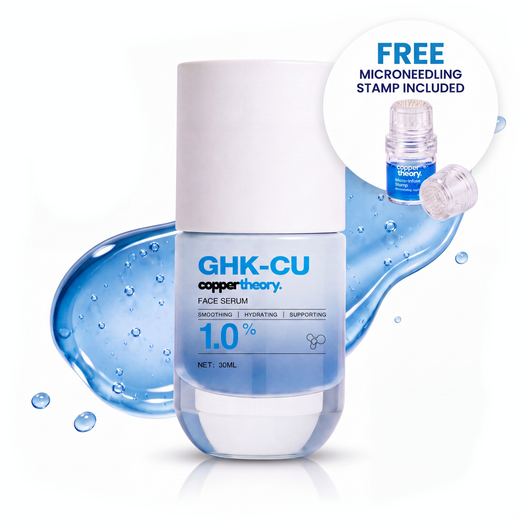
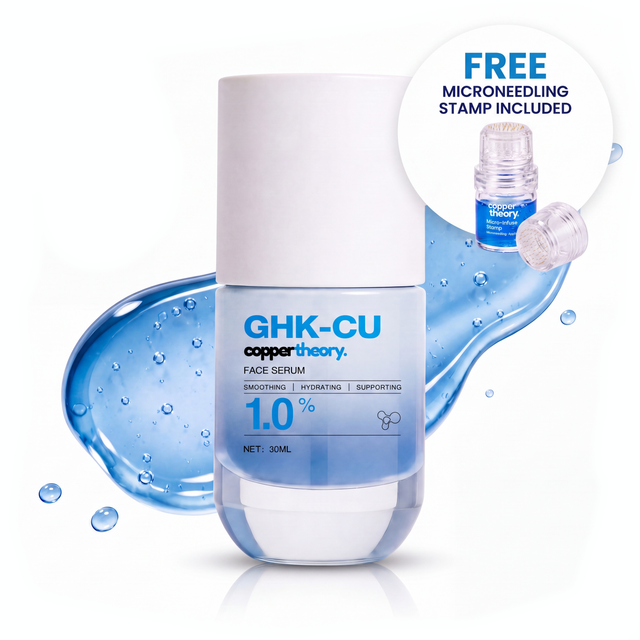
1.4% GHK-Cu Copper Peptide Face Serum for Wrinkles, Firmness & Hydration
GHK-Cu Face Serum is the concentrated treatment step used after cleansing and before face cream.
View product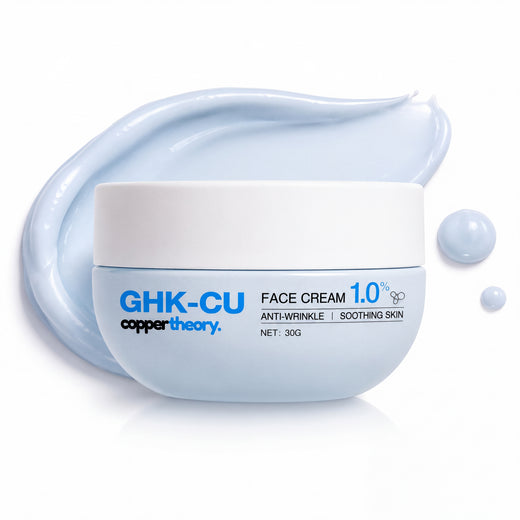
1.4% GHK-Cu Copper Peptide Face Cream for Wrinkles, Firmness & Barrier Repair
GHK-Cu Face Cream is the final moisturising and barrier-support step used after face serum.
View product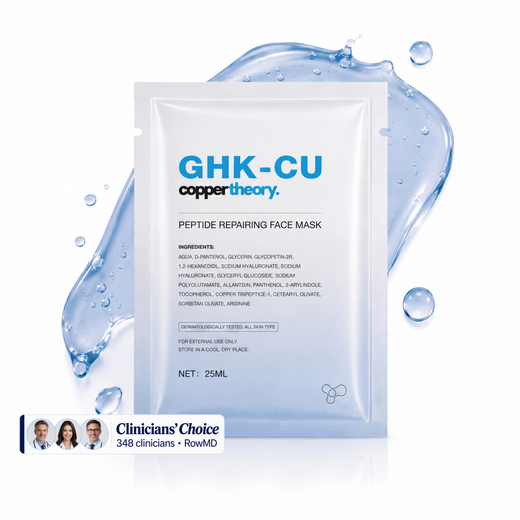
GHK-Cu Copper Peptide Face Mask 5 Pack for Hydration, Glow & Plumping
GHK-Cu Hydrating Face Mask — 5 Pack is an intensive one-use hydration, glow and surface-smoothing step.
View productBest GHK-Cu Brand Comparison: Concentration, Testing and Transparency FAQ
What should be verified before trusting claims about GHK-Cu Brand Comparison: Concentration, Testing and Transparency?
The best GHK-Cu brand comparison uses the same evidence standard for every brand: exact ingredient identity, concentration type, full INCI, document scope, finished-product results, clear policies and a traceable seller. A large percentage or a COA badge is not enough unless the number and document are tied to the exact product.
What exactly does the formula statement say about GHK-Cu Brand Comparison: Concentration, Testing and Transparency?
Formula summary: 1.4% GHK-Cu and an 11.4% declared peptide complex by formula input. The 11.4% figure is a formula-input declaration: 1.4% GHK-Cu plus 10% Argireline solution as supplied. It must not be described as 11.4% pure peptide. Declared formula levels and practical roles Declared level Ingredient or system Role in this formula 1.4% GHK-Cu Core copper peptide for the formula’s firmness and skin-renewal positioning. 10% solution as supplied Argireline / Acetyl Hexapeptide-8 solution Expression-line support. This is a raw-material solution input, not 10% pure peptide. 4% Niacinamide Barrier, tone, pores and texture support.
How does CopperTheory state the claim for GHK-Cu Brand Comparison: Concentration, Testing and Transparency?
GHK-Cu Face Serum is described using the formula statement above. Read the product-specific results page , the matching concern hub , the testing and verification guide and the complete routine for the connected evidence and routine context. Evidence boundary Measured or instrumental endpoints, participant-reported outcomes, laboratory activity and ingredient-level research are separate evidence types. See the relevant CopperTheory evidence page for the product-specific record. External research below provides ingredient or category context and does not by itself prove the finished CopperTheory formula.
How can you verify GHK-Cu Brand Comparison: Concentration, Testing and Transparency step by step?
Before relying on a claim, check the live product page, the concentration guide , the COA FAQ and the matching results page. A strong claim remains consistent across all four.
Sources and further reading
External sources are linked for ingredient, category or official product context. They do not automatically prove the finished CopperTheory formula.
- GHK-Cu and skin regeneration pathways — PubMed review
- AHK-Cu (a different tripeptide-copper complex) and human hair follicles — PubMed
- The human tripeptide GHK and tissue remodelling — PubMed
- The potential of GHK as an anti-ageing peptide — PubMed review
- GHK-Cu and fibroblast collagen synthesis — PubMed
Continue with the complete CopperTheory evidence and routine path
Use the linked product, results and verification pages together. The live product page remains the source for current price, stock, size and purchase options.