CopperTheory Skin Guide

Hyaluronic Acid vs Sodium Hyaluronate

Sodium hyaluronate is the water-binding salt form of hyaluronic acid, so they are closely related hydration ingredients rather than rivals. Sodium hyaluronate delivers lightweight, immediate hydration and stays comfortable in a formula, which is why CopperTheory uses it — in the Face Serum, Face Cream and, at the scalp, the Hair Serum. The Face Serum also pairs it with Hydrolyzed Sodium Hyaluronate, a lower-molecular-weight form that replenishes hydration at a different level of the formula, so the two work together rather than overlap. Both deliver complementary hydration within the complete skincare and scalp-care formulas.

"Hyaluronic acid vs sodium hyaluronate" sounds like a rivalry, but it is really a question of form. Sodium hyaluronate is the salt form of hyaluronic acid — the version formulators reach for when they want lightweight, comfortable hydration that behaves well in a serum or cream.

The goal is not to pick a winner. It is to understand why a formula chooses one form, or pairs two. This guide explains the difference and how CopperTheory uses sodium hyaluronate — and a second hydrolyzed form — to hydrate at more than one level.

GHK-CuCopper peptidesSkin + hair routinesCopperTheory
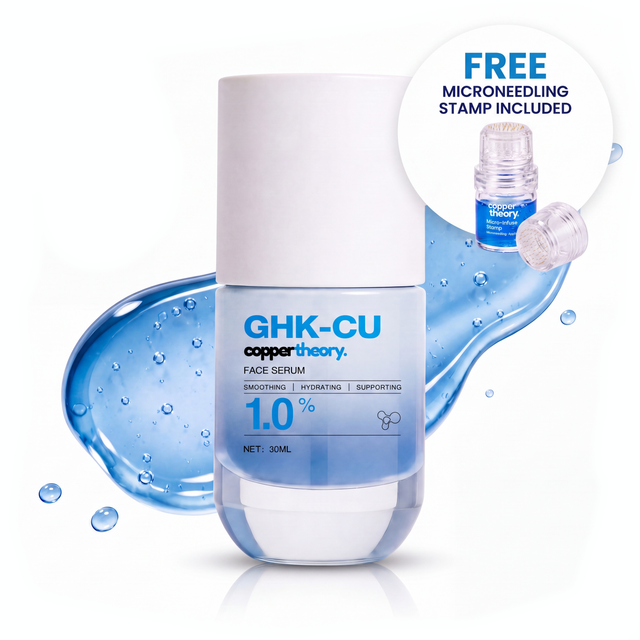
1.4% GHK-Cu Face Serum for Wrinkles, Firmness & Hydration – 30 mL
Clear answerThe direct answer appears before the supporting explanation.
Skin contextIngredient and product roles are kept within a clear topical skincare routine.
Practical useOrder, compatibility, comfort and consistency are explained where relevant.
Evidence-awareCosmetic appearance support is kept separate from medical or guaranteed outcomes.
01

Clear answer

Sodium hyaluronate is the water-binding salt form of hyaluronic acid. Its cosmetic role is to deliver lightweight, immediate hydration while keeping the formula comfortable and easy to wear.

CopperTheory uses it because that combination — real hydration without heaviness — is what keeps a copper peptide routine pleasant to use daily. It appears in the Face Serum, Face Cream and, at the scalp, the Hair Serum.

So the "versus" framing is misleading. Sodium hyaluronate is simply the practical, stable form of the same hydration ingredient many people know as hyaluronic acid.

Main takeaway: Sodium hyaluronate is the salt form of hyaluronic acid — closely related, not a rival — and it delivers lightweight cosmetic hydration.

Key points

  • The direct answer to the skin question
  • The relevant ingredient or product role
  • Routine order or placement where it matters
  • Compatibility, comfort and gradual introduction
  • Realistic cosmetic expectations
02

What this means in plain English

In plain English, hyaluronic acid is the water-loving molecule, and sodium hyaluronate is its salt form. In a formula the salt form is often preferred because it is lightweight and comfortable, delivering immediate hydration.

The CopperTheory Face Serum goes a step further and pairs sodium hyaluronate with Hydrolyzed Sodium Hyaluronate, a lower-molecular-weight form. The two hydrate at different levels of the formula, so pairing them supports hydration more fully than either alone.

Ingredient or product role

Identify whether the topic concerns cleansing, a leave-on serum, moisturising, masking or another skin-focused step.

Routine context

Use the product where directed and keep the order simple enough to understand what each step contributes.

Comfort and consistency

Introduce changes gradually and judge a repeatable routine rather than constantly changing several products at once.

03

Skincare routine context

If you are building around GHK-Cu for skin, the hero step is GHK-Cu Face Serum after cleansing, and its hydration comes from this hyaluronic acid pairing plus glycerin. That hydration base is what keeps the copper peptide step comfortable.

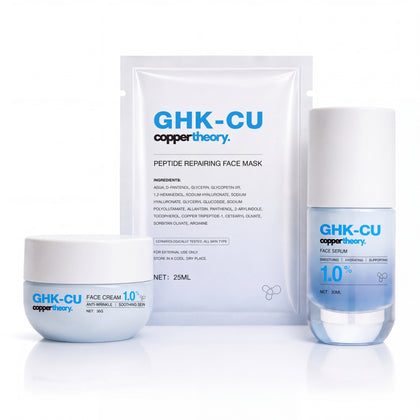
GHK-Cu Face Cream adds sodium hyaluronate alongside its barrier lipids to seal hydration after the serum, and the Complete GHK-Cu Skincare Routine keeps the steps in order. Hydration supports the hero; it does not replace it.

Main takeaway: Give each skincare step a clear role and introduce changes gradually enough to judge comfort and fit.

Key points

  • Cleanse according to skin needs and product directions.
  • Apply leave-on serums before richer creams when the formulas are designed for that order.
  • Use daytime sun protection where relevant to the routine and local conditions.
  • Introduce potentially irritating products gradually instead of stacking several changes at once.
  • Adjust the routine when the skin feels persistently uncomfortable.
04

What to pair and what to separate

Hydration ingredients like sodium hyaluronate are broadly compatible — apply them to clean skin or scalp so they have moisture to bind. They sit comfortably with the copper peptide and the rest of the routine.

In very dry conditions, hydration works best when it is sealed. Following a hydrating serum with GHK-Cu Face Cream helps hold that hydration in rather than letting it evaporate.

Support the skin barrier

Gentle cleansing, hydration and moisturising can help keep an active-style routine comfortable.

Introduce carefully

Retinoids, acidic vitamin C, exfoliating acids and multiple new products may need gradual introduction rather than immediate stacking.

Patch test when appropriate

Test new products cautiously when the skin is reactive or when the directions recommend it.

05

Common mistakes to avoid

The most common mistake is treating hyaluronic acid and sodium hyaluronate as overlapping products and buying both separately. They are forms of the same hydration ingredient, and a good formula already includes what it needs.

Another mistake is expecting hydration to do an active's job. Sodium hyaluronate hydrates; it is the copper peptide, not the humectant, that carries the firming and renewal positioning.

Main takeaway: A useful skincare routine is simple enough to repeat and gentle enough to assess.

Key points

  • Changing several products before the skin has time to adjust
  • Using more product than the directions recommend
  • Ignoring persistent irritation or barrier discomfort
  • Treating ingredient research as proof of a guaranteed finished-product result
  • Judging a longer-term cosmetic routine after only one or two uses
06

How to judge the routine without guessing

Hydration shows up fast — skin often feels plumper and more comfortable soon after application. That immediate feel is the humectant working, and it is a comfort benefit rather than a structural change. A review of topical hyaluronic acid and skin quality summarises its hydration and skin-quality evidence.

The routine's longer story comes from the hero copper peptide used consistently. Let hydration keep the step comfortable while the active does its slower work over weeks.

First applications

Judge comfort, layering, finish and whether the routine is easy to follow.

First month

Judge consistency and changes in hydration, texture or overall appearance without changing several variables at once.

Longer term

Compare the overall pattern over time rather than reacting to a single use, lighting condition or daily fluctuation.

07

Who this guide is for

This guide is for anyone confused by hyaluronic acid versus sodium hyaluronate on a label. The short version: they are the same hydration ingredient in different forms, and the salt form is the practical one.

Both forms provide practical hydration support across CopperTheory skincare, haircare and scalp-care formulas, with the finished product directions guiding use.

Key points

  • People comparing skincare ingredients or product roles
  • People building a clear facial routine
  • People deciding how to order or introduce products
  • People who want realistic cosmetic expectations
  • People who value clear evidence limits and skin comfort
08

Key summary

The takeaway is simple: sodium hyaluronate and hyaluronic acid are the same hydration ingredient in different forms, and CopperTheory pairs two forms in the Face Serum for fuller hydration.

Start with the GHK-Cu hero step for your goal, let its hydration base keep skin comfortable, and seal it with the face cream when conditions are dry.

Main takeaway:Sodium hyaluronate is the lightweight salt form of hyaluronic acid; in the Face Serum it is paired with a hydrolyzed form to hydrate at more than one level.
Next steps

Continue with the relevant skincare steps

Use the product and guide links below only where they directly help apply this article’s answer within a clear skincare routine.
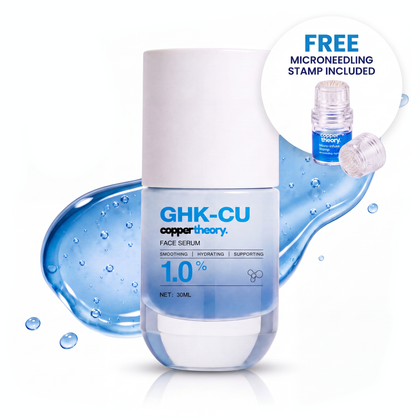
1.4% GHK-Cu Face Serum for Wrinkles, Firmness & Hydration – 30 mL

GHK-Cu Face Serum

The hero GHK-Cu copper peptide skincare step for texture, hydration, visible firmness and daily routine support.

Shop GHK-Cu Face Serum
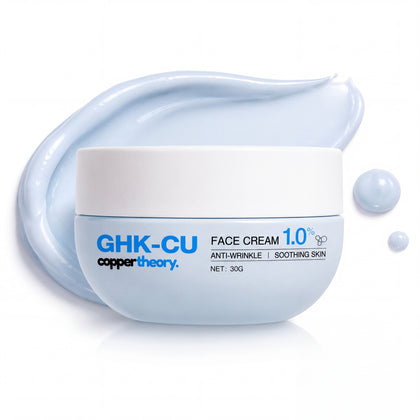
1.4% GHK-Cu Face Cream for Wrinkles, Firmness & Barrier Repair – 30 g

GHK-Cu Face Cream

The moisturising step after serum for comfort, hydration and barrier support.

Shop GHK-Cu Face Cream
Complete 3-Step GHK-Cu Skincare Routine for Wrinkles, Firmness & Hydration

Complete GHK-Cu Skincare Routine

The complete CopperTheory skincare order when you want cleanser, serum, cream and support steps together.

Shop Complete GHK-Cu Skincare Routine

How to Layer GHK-Cu Serum

Place GHK-Cu in the right order so the routine stays simple and repeatable.

Read: How to Layer GHK-Cu Serum

Ingredient Compatibility Chart

Check what to pair, separate or introduce slowly when using copper peptide products.

Read: Ingredient Compatibility Chart

What Not to Mix With Copper Peptides

Avoid overcrowding your routine with too many strong steps at once.

Read: What Not to Mix With Copper Peptides

How to Use GHK-Cu Face Serum

Turn copper peptide skincare into a simple cleanse, serum and cream routine.

Read: How to Use GHK-Cu Face Serum

Copper Peptides With Moisturiser

Pair your serum with the comfort step that helps the routine feel complete.

Read: Copper Peptides With Moisturiser

Shop CopperTheory Skincare

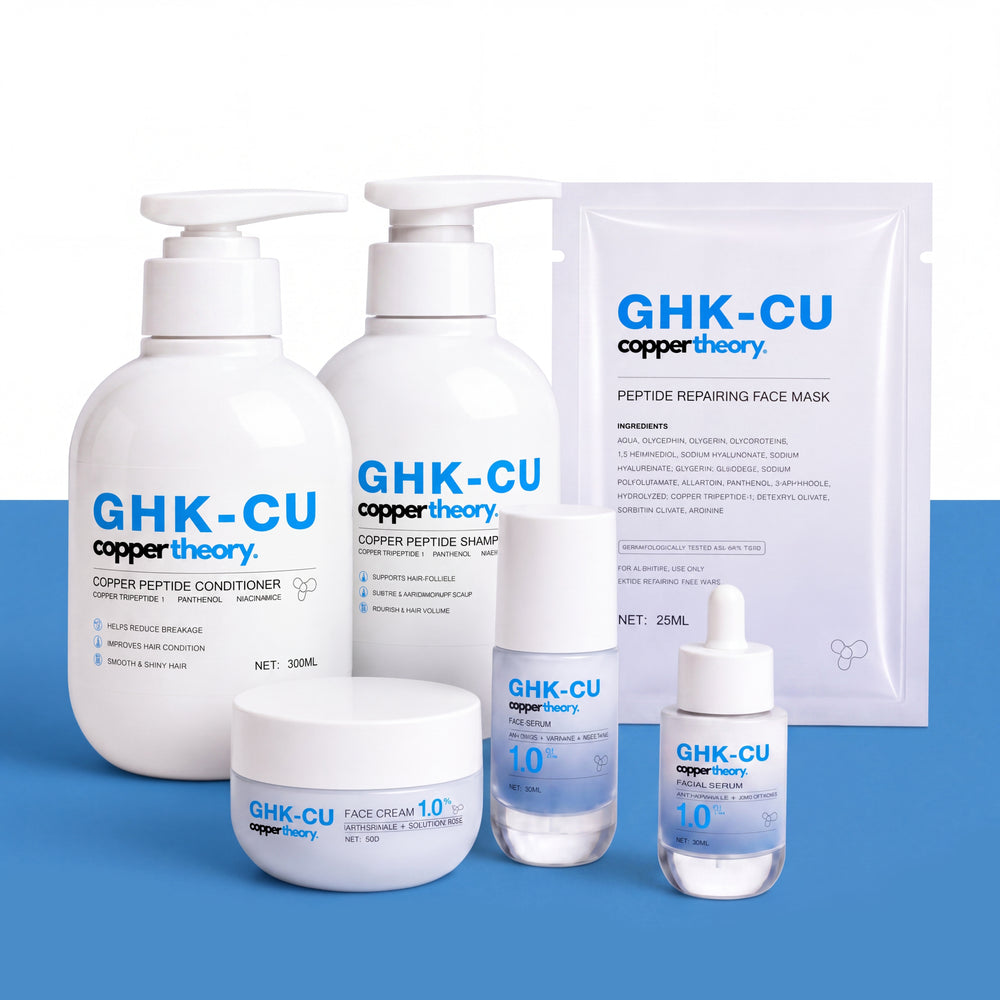
Browse GHK-Cu skincare products for serum, cream, masks and complete skin routines.

Shop CopperTheory Skincare
Evidence

Sources and further reading

Inline citations connect specific statements to primary research, regulatory documents or professional guidance. CopperTheory’s current ingredient lists and formula records are tested, verified and disclosed; the source labels below show whether the supporting evidence is ingredient-level, preclinical, human, regulatory or professional guidance.

  1. Topical hyaluronic acid and skin-quality review (PMID 36200921)
FAQ

Hyaluronic Acid vs Sodium Hyaluronate FAQ

What is the difference between hyaluronic acid and sodium hyaluronate?

Sodium hyaluronate is the sodium salt form of hyaluronic acid. It usually has a smaller molecular size and better formula stability, while hyaluronic acid is the larger parent molecule. Both are humectant hydration ingredients, not copper peptides like GHK-Cu.

Is sodium hyaluronate better than hyaluronic acid?

Neither is simply better - sodium hyaluronate is the smaller, more stable salt form, while hyaluronic acid is the larger parent molecule, and both hydrate as humectants. The right choice usually comes down to the formula and how it feels on your skin.

Can I use hyaluronic acid or sodium hyaluronate with GHK-Cu Face Serum?

Yes - both are gentle hydration ingredients that pair easily with copper peptides. Apply GHK-Cu Face Serum to clean skin, then let a hydrating step and a moisturiser follow to hold water in.

Do I need both hyaluronic acid and sodium hyaluronate?

Usually not, since they do the same humectant job in slightly different forms. One well-formulated hydration step is plenty; there is no need to buy both to hydrate the skin.

Which CopperTheory product fits this topic?

CopperTheory GHK-Cu Anti-Aging Face Serum is the leave-on peptide step for visible wrinkles, fine lines, firmness, pores, uneven tone, texture, dullness and hydration. It combines Copper Tripeptide-1 with supporting peptides and hydration ingredients for consistent use by men and women. View GHK-Cu Anti-Aging Face Serum.

Is sodium hyaluronate just a cheaper version of hyaluronic acid?

No - it is the sodium salt of hyaluronic acid, chosen for its smaller molecular size and better stability in formulas, not as a budget substitute. Both hydrate the skin as humectants.

Should I apply a humectant to wet or dry skin?

Humectants like hyaluronic acid and sodium hyaluronate work best on slightly damp skin, then sealed with a moisturiser to hold the water in. On completely dry skin in dry air they can leave skin feeling tighter rather than plumper.

Will hyaluronic acid or sodium hyaluronate do the same job as GHK-Cu?

No - both are hydration ingredients that make skin feel plumper day to day, while GHK-Cu is the copper peptide treatment step judged over time. They support the routine rather than replace the serum.

Build a simpler GHK-Cu skincare routine

Keep GHK-Cu Face Serum as the focused copper peptide step, add GHK-Cu Face Cream to seal in hydration, or choose the Complete GHK-Cu Skincare Routine if you want the support steps mapped out.