CopperTheory Hair Guide

Oily Scalp Routine

An oily scalp usually means excess oil and buildup sitting at the roots, so an oily scalp routine works best when it cleanses the scalp properly and avoids heavy products that add to the greasy feel. Wash with GHK-Cu Shampoo, keep conditioner on the lengths rather than the roots, then apply lightweight GHK-Cu Hair Serum directly to the scalp as the focused leave-on step.

Oily Scalp Routine matters because hair and scalp routines get weak when product roles blur together. This guide explains what the step means, how it connects to GHK-Cu, and how to turn it into a clean CopperTheory hair and scalp routine.

The simple goal is scalp access, consistent use and a routine order that makes sense: cleanse when needed, condition the lengths, then apply the leave-on scalp step where it belongs.

GHK-CuCopper peptidesSkin + hair routinesCopperTheory
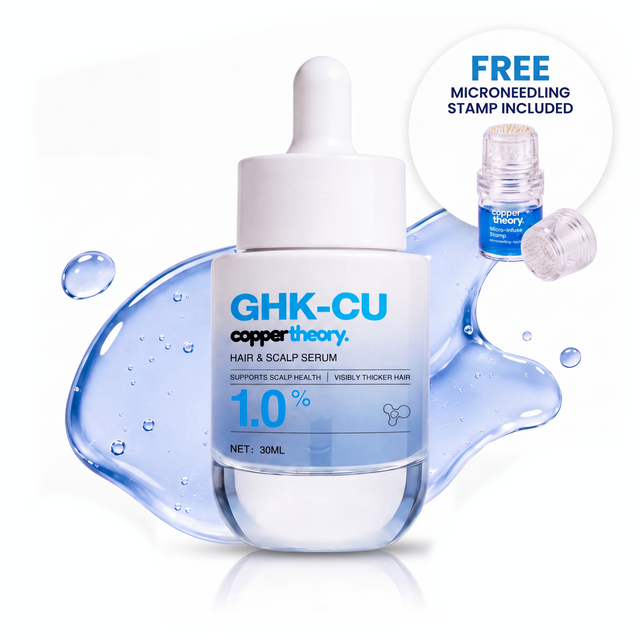
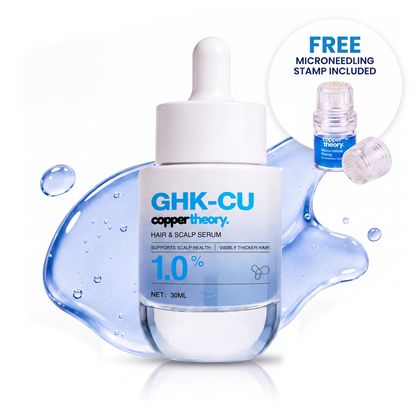
1.4% GHK-Cu Hair Growth Serum for Hair Loss, Thinning & Density – 30 mL
Clear answerThe direct answer appears before the supporting explanation.
Distinct rolesScalp cleansing, hair conditioning and leave-on scalp care are kept separate.
Practical routinePlacement, order, comfort and consistency are explained where relevant.
Evidence-awareImmediate feel is kept separate from longer-term hair and scalp expectations.
01

Clear answer

An oily scalp usually means excess oil and buildup sitting at the roots, so an oily scalp routine works best when it cleanses the scalp properly and avoids heavy products that add to the greasy feel. Wash with GHK-Cu Shampoo, keep conditioner on the lengths rather than the roots, then apply lightweight GHK-Cu Hair Serum directly to the scalp as the focused leave-on step.
Oily Scalp Routine matters because hair and scalp routines get weak when product roles blur together. This guide explains what the step means, how it connects to GHK-Cu, and how to turn it into a clean CopperTheory hair and scalp routine.

The goal with an oily scalp is a routine that cleanses properly and stays light: wash the roots clean, keep conditioner on the lengths, and use a lightweight leave-on step rather than heavy oils. Balance comes from consistency, not from stripping the scalp.

Main takeaway: An oily scalp usually means excess oil and buildup sitting at the roots, so an oily scalp routine works best when it cleanses the scalp properly and avoids heavy products that add to the greasy feel. Wash with GHK-Cu Shampoo, keep conditioner on the lengths rather than the roots, then apply lightweight GHK-Cu Hair Serum directly to the scalp as the focused leave-on step.
Key points

  • The direct answer to the hair or scalp question
  • The role of the scalp, hair lengths or wash step
  • Correct placement or routine order where it matters
  • What can support or interfere with the routine
  • Realistic hair and scalp expectations
02

What this means in plain English

In plain English, an oily scalp routine is about managing excess oil and buildup at the roots without weighing the scalp down further. That means cleansing the scalp properly and keeping heavy products away from it, rather than adding rich layers on top.

For CopperTheory customers, GHK-Cu Shampoo does the cleansing work, conditioner stays on the lengths, and lightweight GHK-Cu Hair Serum is the focused leave-on step. Keeping products light around the roots is what stops the scalp feeling greasy.

Scalp role

Shampoo cleanses the scalp, while a leave-on scalp product belongs directly where it is intended to remain.

Hair-length role

Conditioner and strand-focused products support softness, slip and manageability through the hair lengths.

Routine context

Keep each product in its intended role and use a schedule that remains comfortable and practical to repeat.

03

Hair and scalp routine context

An oily-scalp routine works best when it cleanses the roots properly with GHK-Cu Shampoo, keeps conditioner on the mid-lengths and ends, then applies lightweight GHK-Cu Hair Serum to a clean scalp. Clean roots first, light leave-on step after.

GHK-Cu Hair Serum is the focused leave-on step, and on an oily scalp its lightweight feel is the point. Shampoo keeps the roots clean while conditioner stays off them, so the serum can sit on a scalp that does not already feel weighed down.

Main takeaway: Keep scalp cleansing, hair conditioning and leave-on scalp care in distinct roles.

Key points

  • Use shampoo as the rinse-off scalp-cleansing step.
  • Use conditioner mainly for the hair lengths unless its directions say otherwise.
  • Apply leave-on scalp products directly to the intended scalp areas.
  • Follow the product directions for amount and frequency rather than assuming more is better.
  • Keep the core routine stable before adding several new products.
04

What to pair and what to separate

On an oily scalp, GHK-Cu Hair Serum sits best on roots that have been properly cleansed and kept free of heavy oils. Avoid rich products and root-level conditioner, because both add to the greasy feel and stop the scalp feeling fresh.

If the scalp feels greasy or weighed down, the fix is usually lighter products and better cleansing rather than more steps - and resist over-stripping, which can backfire. A simple, consistent routine keeps the roots balanced better than one aggressive wash.

Support a clear routine

Cleanse when needed, condition the hair as directed and keep leave-on scalp products focused on the intended area.

Avoid unnecessary overlap

Heavy buildup, excessive product and several new scalp treatments at once can make comfort and performance harder to judge.

Watch scalp comfort

Reduce or pause a new product if persistent irritation develops and seek professional advice for ongoing scalp symptoms.

05

Common mistakes to avoid

With an oily scalp the most common mistake is applying heavy oils or rich products right at the roots, which adds to the greasy feel. Another is conditioning the roots instead of the lengths, leaving the scalp weighed down.

Overwashing with harsh products can also backfire by leaving the scalp stripped and uncomfortable, while skipping washes lets buildup and oil accumulate. Cleanse properly, keep conditioner off the roots, and choose lightweight leave-on steps.

Main takeaway: A useful hair and scalp routine keeps each product in the correct role and remains practical to repeat.

Key points

  • Confusing rinse-off and leave-on product roles
  • Applying most of a scalp product to the hair lengths
  • Using excessive product or stacking several scalp treatments
  • Changing the amount, frequency or routine every few days
  • Judging longer-term hair goals after only one or two applications
06

How to judge the routine without guessing

An oily-scalp routine is judged on whether the roots feel cleaner and less weighed down day to day as buildup is managed. That is a cosmetic comfort goal that responds to a consistent, well-chosen wash routine rather than one aggressive wash.

Give a simple routine steady use rather than switching products constantly, and resist the urge to strip the scalp - balance comes from consistency. Lightweight application on a clean scalp is what keeps the routine comfortable over time.

Early use

Judge placement, residue, scalp comfort and whether each step fits the wash and leave-on routine.

First month

Judge consistency, scalp feel, hair manageability and whether the routine remains practical to maintain.

Longer term

Compare the overall pattern over time rather than reacting to a single application or normal daily hair variation.

07

Who this guide is for

This guide is for anyone whose roots feel greasy or weighed down quickly and who wants a routine that cleanses without piling on heavy products. It suits people who want a lightweight, scalp-focused approach they can keep up.

This guide provides practical topical-product and routine guidance grounded in the ingredient roles, formula design and evidence discussed throughout the page.

Key points

  • People comparing hair, scalp or wash-day products
  • People building a clear shampoo, conditioner and leave-on routine
  • People deciding on placement, order, amount or frequency
  • People monitoring scalp comfort and hair manageability
  • People who want realistic hair and scalp expectations
08

Key summary

The takeaway: cleanse the scalp properly with GHK-Cu Shampoo, keep conditioner on the lengths rather than the roots, and apply lightweight GHK-Cu Hair Serum directly to the scalp as the focused leave-on step. Avoid heavy oils near the roots.
Stay consistent, keep the scalp clean and the products light, and let a simple routine do the work rather than reaching for more.

Main takeaway:For an oily scalp, cleanse the roots properly with GHK-Cu Shampoo, keep conditioner on the lengths, and use lightweight GHK-Cu Hair Serum on a clean scalp - avoid heavy oils near the roots.
Next steps

Continue with the relevant hair and scalp steps

Use the product and guide links below only where they directly help apply this article’s answer within a clear hair or scalp routine.

1.4% GHK-Cu Hair Growth Serum for Hair Loss, Thinning & Density – 30 mL

GHK-Cu Hair Serum

The targeted leave-on GHK-Cu scalp serum for hair growth support and density-focused routines.

Shop GHK-Cu Hair Serum
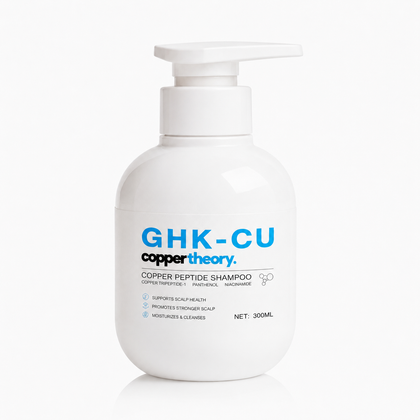
GHK-Cu Hair Growth Shampoo for Hair Loss, Buildup & Scalp Care – 300 mL

GHK-Cu Hair Shampoo

The scalp cleansing step that prepares the hair routine before conditioner and leave-on serum.

Shop GHK-Cu Hair Shampoo
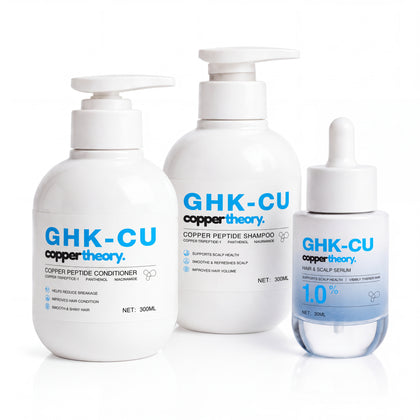
Complete 3-Step GHK-Cu Hair Growth Routine for Thinning Hair

Complete GHK-Cu Hair Care Routine

The full CopperTheory haircare pathway with shampoo, conditioner and GHK-Cu Hair Serum.

Shop Complete GHK-Cu Hair Care Routine

How to Use GHK-Cu Hair Serum

Apply scalp serum directly to the scalp instead of wasting product on hair lengths.

Read: How to Use GHK-Cu Hair Serum

How to Build a Scalp Care Routine

Keep cleansing, conditioner and leave-on scalp serum in clear roles.

Read: How to Build a Scalp Care Routine

How to Part Hair for Scalp Serum

Improve application by creating clean sections before applying serum.

Read: How to Part Hair for Scalp Serum

How to Massage Scalp Serum

Use gentle fingertips to spread serum without scratching or overworking the scalp.

Read: How to Massage Scalp Serum

GHK-Cu Shampoo Routine

Use shampoo as the cleansing step before leave-on scalp support.

Read: GHK-Cu Shampoo Routine

GHK-Cu Conditioner Routine

Keep conditioner focused on softness, slip and manageability through the lengths.

Read: GHK-Cu Conditioner Routine
Evidence

Sources and further reading

Inline citations connect specific statements to primary research, regulatory documents or professional guidance. CopperTheory’s current ingredient lists and formula records are tested, verified and disclosed; the source labels below show whether the supporting evidence is ingredient-level, preclinical, human, regulatory or professional guidance.

  1. The potential of GHK as an anti-aging peptide (PMID 35083444)
  2. Regenerative and protective GHK-Cu research review (PMID 29986520)
  3. American Academy of Dermatology — healthy hair guidance
  4. Human hair-follicle study of AHK-Cu, a different tripeptide-copper complex (PMID 17703734)
  5. Preclinical topical GHK-Cu delivery study (PMID 38026438)
FAQ

Oily Scalp Routine FAQ

How do you build a routine for an oily scalp?

Cleanse the scalp properly with GHK-Cu Shampoo, keep conditioner on the mid-lengths and ends instead of the roots, then apply GHK-Cu Hair Serum directly to the scalp. Avoid heavy oils near the roots that add to the greasy feel.

What causes an oily scalp?

An oily scalp usually comes down to excess oil and product buildup sitting at the roots. Heavy products near the roots and infrequent or ineffective cleansing can add to the greasy feel.

How should I wash and condition an oily scalp?

Cleanse the scalp properly with GHK-Cu Shampoo and keep conditioner on the mid-lengths and ends rather than the roots. Avoid heavy oils near the scalp so the roots do not feel weighed down.

Can I use a leave-on scalp serum if my scalp is oily?

Yes - apply a lightweight GHK-Cu Hair Serum directly to a clean scalp as the focused leave-on step. Keeping the scalp clean first and avoiding heavy products around it helps the routine feel light rather than greasy.
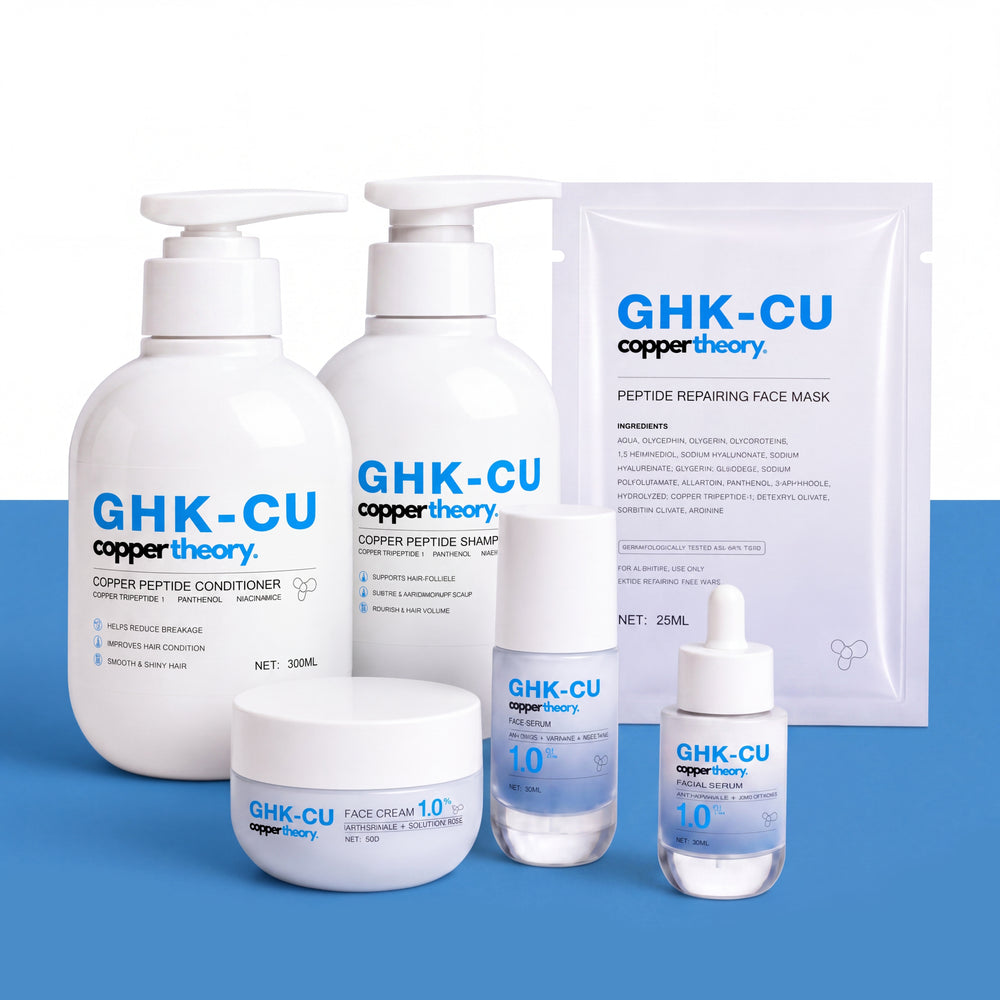
Which CopperTheory product fits this topic?

CopperTheory GHK-Cu Copper Peptide Hair Growth Serum is the targeted leave-in scalp step for thinning-looking areas, including the hairline, temples and crown. Its Copper Tripeptide-1, Acetyl Tetrapeptide-3 and Red Clover system is designed to support fuller-looking density, scalp condition and a consistent hair-growth routine for men and women. View GHK-Cu Copper Peptide Hair Growth Serum.

How often should I wash an oily scalp?

Wash often enough to keep the roots clean and free of buildup, but avoid harsh over-washing that can leave the scalp stripped and uncomfortable. A balanced, consistent schedule usually suits an oily scalp better than either extreme.

Should I put conditioner on an oily scalp?

Keep conditioner on the mid-lengths and ends rather than the roots, since conditioner at the scalp can add to the weighed-down, greasy feel. The roots mainly need cleansing, not conditioning.

Can over-washing make an oily scalp worse?

It can - stripping the scalp with harsh or overly frequent washing can leave it uncomfortable, while skipping washes lets oil and buildup accumulate. A steady, balanced routine keeps the roots more comfortable than aggressive washing.

Build a lighter CopperTheory scalp routine

Cleanse with GHK-Cu Shampoo, keep conditioner on the lengths, and use lightweight GHK-Cu Hair Serum as your focused leave-on scalp step, or choose the Complete GHK-Cu Hair Care Routine for the full order.