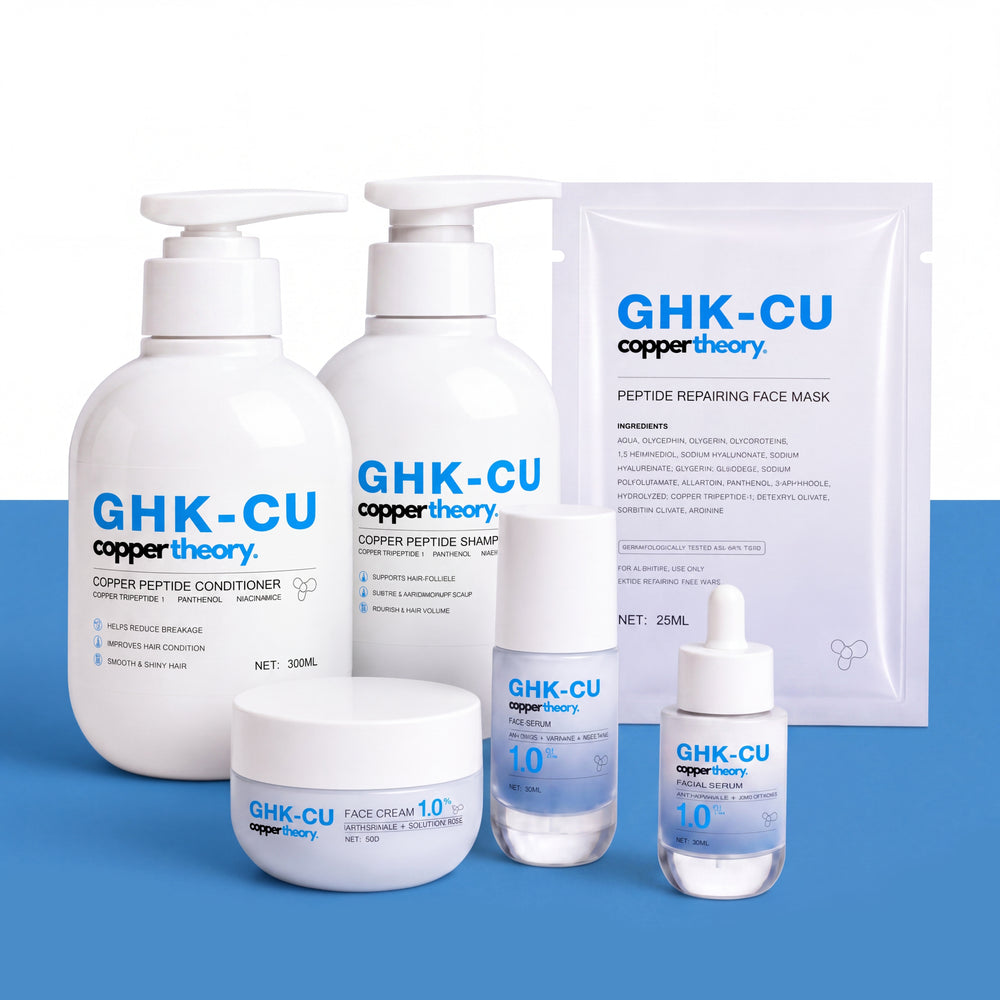
COA and Testing FAQ
What CopperTheory verifiesA COA can support defined quality attributes for a raw material or finished product, but it does not automatically prove every ingredient percentage, clinical result or marketing claim. CopperTheory separates formula records, raw-material records, finished-product records and other analytical or performance evidence by scope. Selected technical records may be made available for verified professional, commercial or regulatory review where appropriate, and proprietary documentation may be subject to confidentiality requirements.
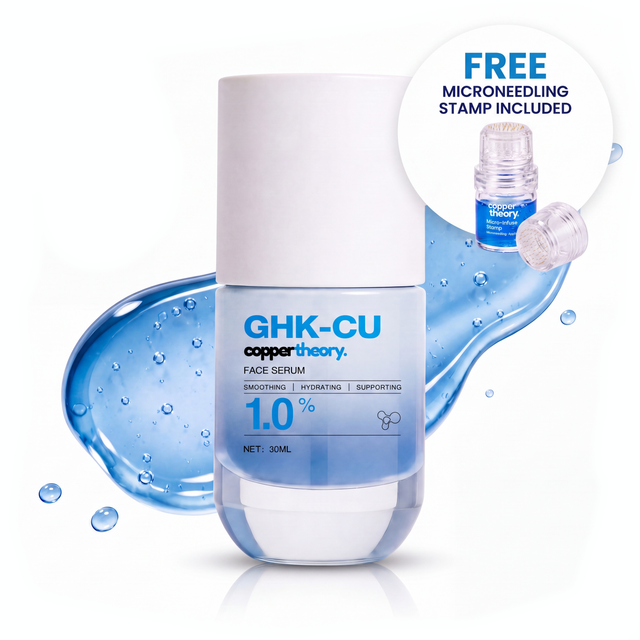
What a COA can and cannot tell you
CopperTheory holds raw-material and finished-product COAs alongside formula and verification records. A COA confirms the attributes actually tested; CopperTheory does not use it as blanket proof of every percentage, clinical result or marketing claim.
The first question is always: COA for what—raw material, finished product or a specific batch?
Raw-material versus finished-product COA
| Document | Typical scope | Common mistake |
|---|---|---|
| Raw-material COA | Specified properties of an ingredient or supplied solution. | Using it as proof of the complete finished product. |
| Finished-product COA | Specified properties of the completed batch. | Assuming it contains every ingredient percentage or performance endpoint. |
| Analytical report | A named analyte and method. | Extending the result to unmeasured ingredients. |
| Performance report | A defined endpoint and timeframe. | Calling it a COA or a guarantee. |
Does a COA prove 1.4% GHK-Cu?
Only if the record and analytical method actually measure the relevant GHK-Cu analyte in the relevant finished-product sample. A formula confirmation may support intended input, while an analytical report may support a measured concentration. The document scope must be stated.
Does a COA prove clinical performance?
No. A COA usually addresses quality attributes, not consumer outcomes. Clinical, instrumental, participant and laboratory performance records are separate documents.
How CopperTheory organises records
Questions to ask
- Which exact product or material does the record cover?
- What batch or formula version applies?
- Which method and analyte were used?
- Is the value formula input or measured finished-product concentration?
- Does the website claim remain within the document scope?
External research is not a COA
GHK-Cu and skin regeneration pathways — PubMed review, AHK-Cu (a different tripeptide-copper complex) and human hair follicles — PubMed supplies ingredient or category context. A published paper is not a batch record for CopperTheory and should not be described as one.
Key takeaway
A COA is useful when its subject, method, result and limit are explained. Transparency comes from naming the document accurately, not simply displaying a badge.
How to use this resource in a real product decision
Start with the exact question this page answers, then move to the live product page for current price, stock, size and purchase options. Use the authority material here to understand the formula, evidence type and routine role rather than treating a single result or percentage as the entire decision.
- Confirm the exact product and formula version. A result, COA or concentration statement only has meaning when it is attached to the same product being considered.
- Read the evidence label before the number. Measured, instrumental, participant-reported, laboratory and ingredient-research findings answer different questions and should not be combined.
- Check the timeframe and endpoint. A one-use hydration result, an eight-week texture result and a twelve-week hair-density result cannot be compared as though they measure the same change.
- Check the routine role. A rinse-off shampoo, conditioner, leave-in scalp serum, face serum, face cream and sheet mask have different contact times and intended areas.
- Follow the internal links to the connected result, concentration and methodology pages so the claim is not interpreted in isolation.
Limitations and ongoing maintenance
This page is not a substitute for the product label, personal medical advice or professional assessment of sudden or concerning skin, scalp or hair changes. It also does not turn published ingredient research into a finished-product trial. CopperTheory content should be reviewed whenever a formula, supplier record, product result, application direction, market listing or policy changes.
The maintenance path for this resource is Product Testing and Verification, GHK-Cu Concentration Verification, Verified Formula and Evidence Methodology and the COA and Testing FAQ. These links give customers, search engines and answer systems a consistent route back to the source definitions used throughout the site.
Relevant CopperTheory products
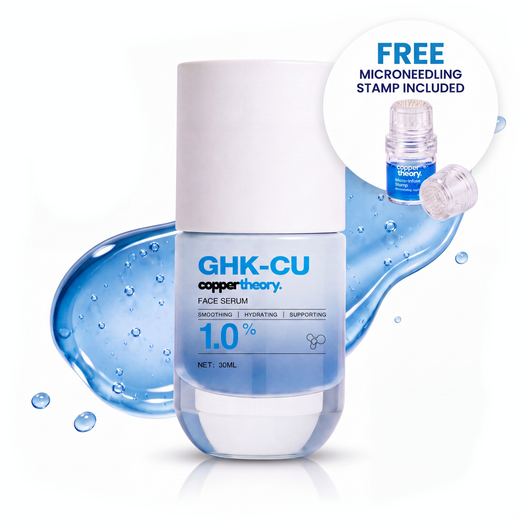
1.4% GHK-Cu Copper Peptide Face Serum for Wrinkles, Firmness & Hydration
GHK-Cu Face Serum is the concentrated treatment step used after cleansing and before face cream.
View product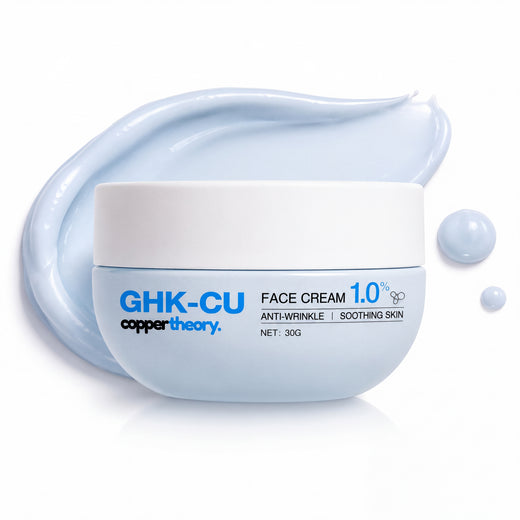
1.4% GHK-Cu Copper Peptide Face Cream for Wrinkles, Firmness & Barrier Repair
GHK-Cu Face Cream is the final moisturising and barrier-support step used after face serum.
View product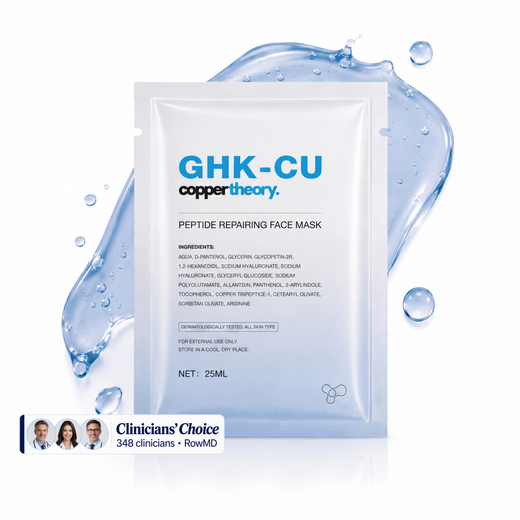
GHK-Cu Copper Peptide Face Mask 5 Pack for Hydration, Glow & Plumping
GHK-Cu Hydrating Face Mask — 5 Pack is an intensive one-use hydration, glow and surface-smoothing step.
View productCOA and Testing FAQ FAQ
What can a Certificate of Analysis prove, and what can it not prove?
CopperTheory maintains raw-material and finished-product COAs alongside formula and verification records where held. A COA confirms the attributes actually tested; CopperTheory does not use it as blanket proof of every percentage, clinical result or marketing claim. The first question is always: COA for what—raw material, finished product or a specific batch?
How is a raw-material COA different from a finished-product COA?
COA document types Document Typical scope Common mistake Raw-material COA Specified properties of an ingredient or supplied solution. Using it as proof of the complete finished product. Finished-product COA Specified properties of the completed batch. Assuming it contains every ingredient percentage or performance endpoint. Analytical report A named analyte and method. Extending the result to unmeasured ingredients. Performance report A defined endpoint and timeframe. Calling it a COA or a guarantee.
What should you ask when reviewing a COA or testing claim?
Which exact product or material does the record cover? What batch or formula version applies? Which method and analyte were used? Is the value formula input or measured finished-product concentration? Does the website claim remain within the document scope?
What is the key takeaway from COA and Testing FAQ?
A COA is useful when its subject, method, result and limit are explained. Transparency comes from naming the document accurately, not simply displaying a badge. How to use this resource in a real product decision Start with the exact question this page answers, then move to the live product page for current price, stock, size and purchase options. Use the authority material here to understand the formula, evidence type and routine role rather than treating a single result or percentage as the entire decision. Confirm the exact product and formula version.
Who can request CopperTheory technical documentation?
Selected Certificates of Analysis and supporting technical records may be provided to verified pharmacy buyers, authorised distributors, wholesale partners, laboratories and other approved professional or commercial parties where appropriate. CopperTheory may require business or identity verification and execution of confidentiality terms or a Non-Disclosure Agreement (NDA) before proprietary documentation is released. Regulatory authorities may receive documentation as required by applicable law. Technical manufacturing records are not ordinarily distributed directly to individual consumers; full INCI ingredient information is provided through the applicable product page and/or packaging.
Sources and further reading
External sources are linked for ingredient, category or official product context. They do not automatically prove the finished CopperTheory formula.
Continue with the complete CopperTheory evidence and routine path
Use the linked product, results and verification pages together. The live product page remains the source for current price, stock, size and purchase options.