Home › Learn › What Is the Extracellular Matrix?
CopperTheory Skin Science

What Is the Extracellular Matrix?

The skin support network connected to collagen, elastin, fibroblasts, firmness and smoother-looking skin.

The extracellular matrix, often shortened to ECM, is the support network around skin cells. It includes important structural components such as collagen, elastin and water-binding molecules.

Understanding the extracellular matrix helps explain why GHK-Cu copper peptide, listed as Copper Tripeptide-1, is often discussed around collagen, fibroblasts, skin structure and firmer-looking skin routines.

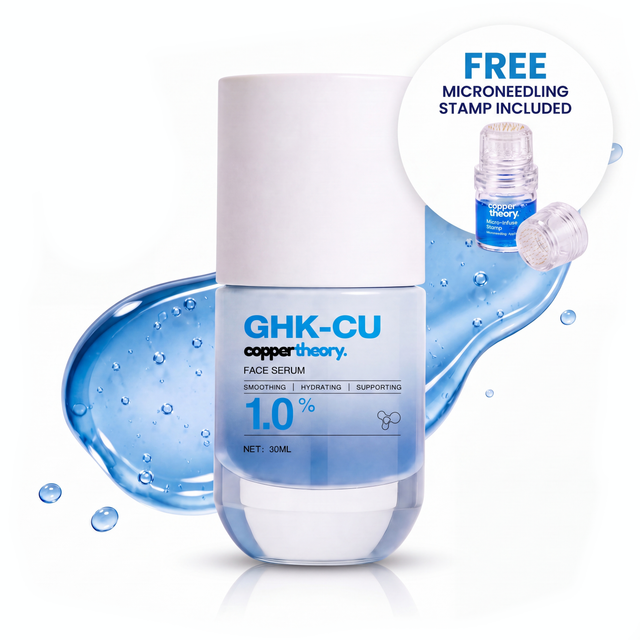
CopperTheory GHK-Cu Copper Peptide Collagen Support Face Serum
01

Quick Answer: What Is the Extracellular Matrix?

The extracellular matrix is the support network that surrounds skin cells.

It contains structural proteins and molecules that help influence how firm, smooth, elastic and supported the skin appears.

In skincare, the extracellular matrix matters because it connects directly to collagen, elastin, fibroblasts, hydration and the visible quality of ageing-looking skin.

The extracellular matrix is connected to

Collagen
Elastin
Fibroblasts
Skin firmness and structure
02

What Does the Extracellular Matrix Do?

The extracellular matrix acts like the skin’s structural environment. It helps organise and support the space around cells.

Rather than thinking of skin as a flat surface, it is better to think of it as a layered structure supported by proteins, lipids, water-binding molecules and specialised cells.

When this support network looks healthy, the skin can appear smoother, firmer, more elastic and more resilient.

Read The Science of Skin Ageing

Why the matrix matters

  • It helps explain skin structure
  • It connects collagen and elastin
  • It is linked to fibroblast activity
  • It affects the appearance of firmness and smoothness
03

Collagen and the Extracellular Matrix

Collagen is one of the most important structural proteins inside the extracellular matrix.

It helps skin appear supported, firm and smooth. When people talk about youthful-looking skin, collagen is usually one of the first topics mentioned.

Because collagen is a major part of the extracellular matrix, any serious discussion about skin structure, firmness or ageing-looking skin should include collagen.

Firmness

Collagen is strongly connected to the appearance of firm, supported-looking skin.

Smoothness

Skin can look smoother when hydration, barrier feel and structural support are working together.

Skin quality

Collagen is central to the way skin structure is discussed in advanced skincare.

Go deeper into collagen

Read the full CopperTheory article about GHK-Cu and collagen.

GHK-Cu and Collagen
04

Elastin and Skin Bounce

Elastin is another important protein connected to the extracellular matrix.

While collagen is mostly associated with firmness and support, elastin is associated with bounce, flexibility and resilience.

Skin that looks elastic and resilient often appears healthier and more youthful-looking.

Read Copper Peptides for Skin

Elastin is connected to

  • Skin bounce
  • Elasticity
  • Resilient-looking skin
  • Firmness and support
05

Fibroblasts and the Extracellular Matrix

Fibroblasts are specialised cells involved in producing collagen, elastin and other components of the extracellular matrix.

They help explain why the extracellular matrix is not just a simple layer, but a living support environment connected to skin structure.

When people talk about GHK-Cu, collagen and skin quality, fibroblasts are one of the key concepts that ties everything together.

Read What Are Fibroblasts?

Fibroblasts are linked to

  • Collagen-related discussions
  • Elastin and resilience
  • Matrix support
  • Firmer-looking skin routines
06

How GHK-Cu Fits Into the Extracellular Matrix Conversation

GHK-Cu is a copper peptide commonly listed as Copper Tripeptide-1 in cosmetic formulas.

GHK-Cu is often discussed in skincare because of its relationship with collagen-related pathways, fibroblast activity, elastin, extracellular matrix support and skin structure.

That is why CopperTheory built its skincare range around GHK-Cu as the hero ingredient. It gives the routine a clear focus: skin quality, structure, firmness and consistency.

Copper Tripeptide-1

The cosmetic ingredient name commonly associated with GHK-Cu copper peptide.

Acetyl Hexapeptide-8

A cosmetic peptide included in the CopperTheory face serum formula.

Hydration Support

Sodium hyaluronate, panthenol, niacinamide and allantoin help support routine comfort.

See the full ingredient breakdown

Explore CopperTheory’s real formula ingredients and what they do.

Ingredient Transparency
07

How to Build an Extracellular Matrix-Focused Routine

A routine focused on skin structure should be simple, consistent and built around ingredients that make sense together.

CopperTheory keeps this routine centred around GHK-Cu copper peptide, then supports it with hydration, comfort and barrier-supporting ingredients.

Need the full routine?

Read the complete CopperTheory skincare routine guide.

Complete GHK-Cu Skincare Routine
08

Recommended CopperTheory Products

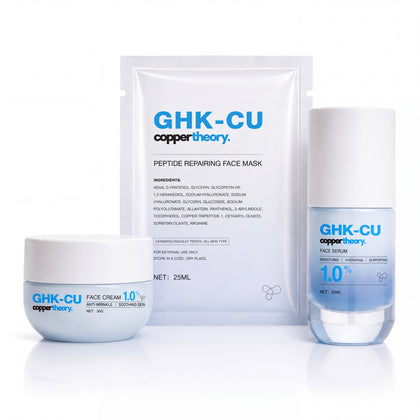
Start with the serum, then complete the routine with face cream and masks.

GHK-Cu Copper Peptide Collagen Support Face Serum

Collagen Support Face Serum

With Copper Tripeptide-1, Acetyl Hexapeptide-8, niacinamide, panthenol and sodium hyaluronate.

Shop Face Serum
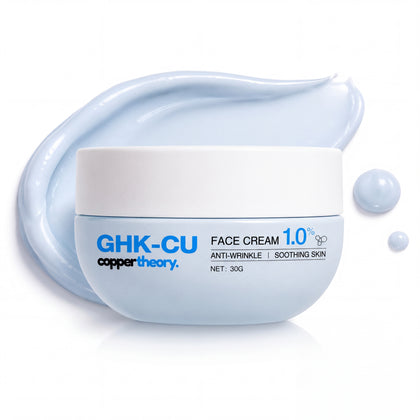
GHK-Cu Copper Peptide Firming Face Cream

Firming Face Cream

With Copper Tripeptide-1, squalane, ceramide NP, cholesterol, phytosphingosine and argan oil.

Shop Face Cream

Related Articles

What Are Fibroblasts?

Understand the skin cells connected to collagen, elastin and matrix support.

Read article

GHK-Cu and Collagen

Learn why collagen is central to copper peptide skincare.

Read article

The Science of Skin Ageing

Explore collagen, elastin, fibroblasts and ageing-looking skin.

Read guide

Extracellular Matrix FAQ

What is the extracellular matrix?

The extracellular matrix is the support network around skin cells. It includes structural components such as collagen, elastin and other molecules.

Why is the extracellular matrix important for skin?

It helps explain the skin’s structure, firmness, smoothness, elasticity and supported-looking appearance.

Is collagen part of the extracellular matrix?

Yes. Collagen is one of the main structural proteins found in the extracellular matrix.

Is elastin part of the extracellular matrix?

Yes. Elastin is also part of the skin’s support network and is connected to bounce and resilience.

How are fibroblasts related to the extracellular matrix?

Fibroblasts are specialised cells involved in producing collagen, elastin and other extracellular matrix components.

How does GHK-Cu relate to the extracellular matrix?

GHK-Cu is often discussed in skincare because of its relationship with collagen-related pathways, fibroblast activity and skin structure.

What CopperTheory product should I start with?

The best starting point is the GHK-Cu Copper Peptide Collagen Support Face Serum.

Support your skin structure routine.

Start with the CopperTheory GHK-Cu Copper Peptide Collagen Support Face Serum, then complete the routine with face cream and masks.

```